

Our 2025 Sustainability Report provides detailed insights into Albini Group’s activities and initiatives aimed at minimising our environmental impact, strengthening corporate social responsibility, and promoting ethical practices.
Raw materials and supply chain traceability
- Fully verticalised and traceable supply chain
- Product and process certifications: GOTS, OCS, BCI, Regenagri, Masters of Flax Fibre, Masters of Linen, Oeko-Tex, ZDHC, GRS, RCS, RWS, SFA, 4Sustainability
- 35% of incoming cotton certified organic
- 93% of incoming linen certified Masters of Flax Fibre
- Adherence to the 4sChain protocol from 4Sustainability to establish an internal monitoring system for supplier sustainability ratings
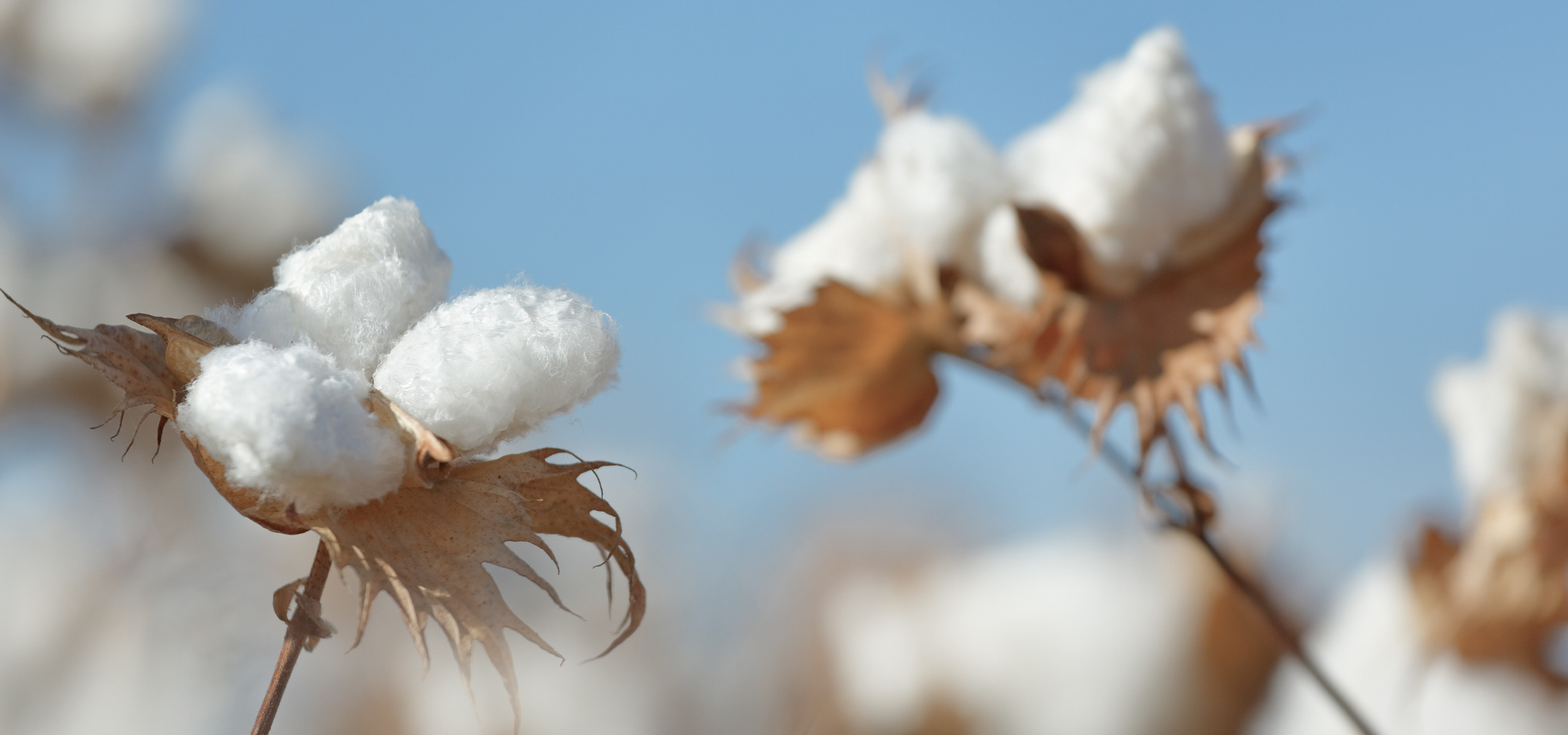
35%
certified organic incoming cotton

93%
certified Masters of Flax Fibre incoming linen
Environmental protection and respect
- 30% of electricity needs covered by renewable sources, 14% of which from self-produced photovoltaic systems
- Water consumption managed according to the WWF Water Risk Filter, with customised plans for facilities using wet processes
- Official ZDHC contributors since 2018, committed to eliminating hazardous chemicals
- 2 production sites awarded the “4sustainability Chem Excellence” level under the 4sustainability Chemical Management protocol
- Responsible waste and by-product management, with circularity and recycling projects covering 82% of total waste produced
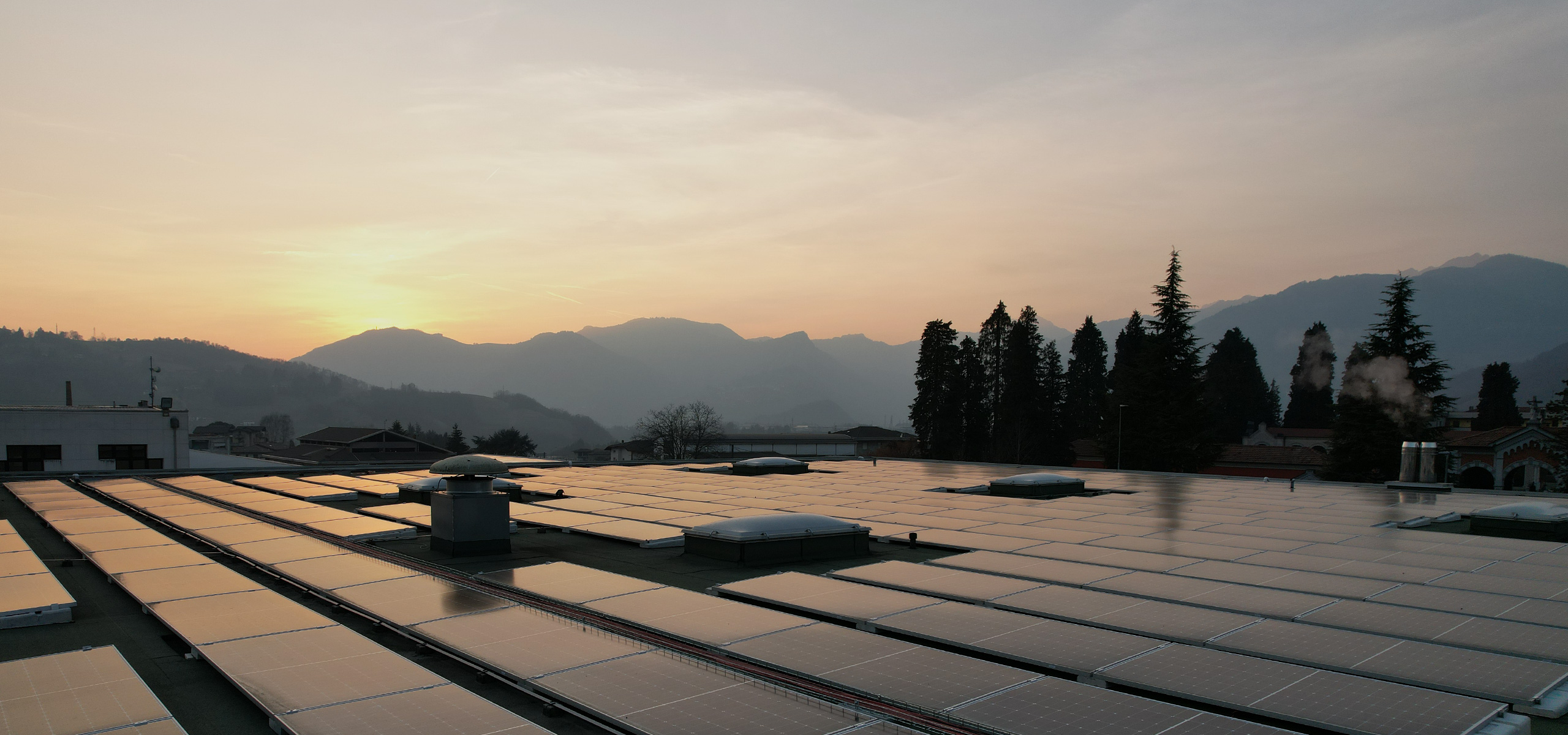
30%
electricity needs covered by renewable sources
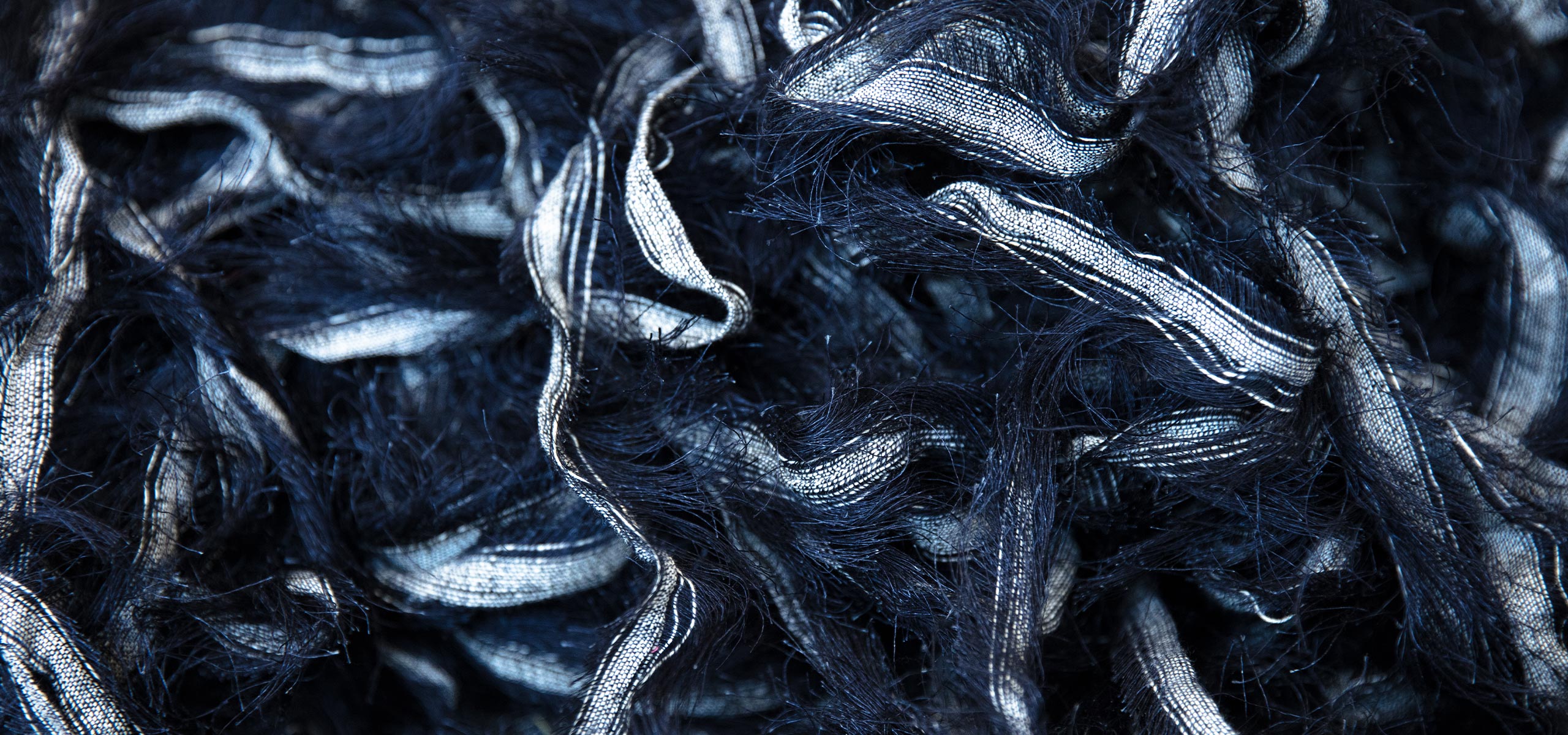
82%
recycled waste produced
Value of human capital
- Respect, encouragement of diversity, and cultural exchange as key values in people management
- Training and professional growth projects: Over 7,800 training hours delivered
- Management development programmes through coaching and specific in-depth training on financial matters
Customer care
- Chemical and ecotoxicological tests carried out on yarns and fabrics
- In-house fabric laboratory accredited by ACCREDIA
- Provision of full documentation on raw material origins and product journey along the supply chain, with the possibility of creating fully traceable fabrics through forensic science
- Dedicated office for managing traceability issues and completing sustainability questionnaires
Product design and R&D
- 77% of fabrics produced are either single-fibre or made from blends of compatible fibres, enabling easier recyclability
- ISO 56001:2024 certification for the Innovation Management System
- Regional funding for project “RIGENER-AM – Regenerating Waste Materials into Innovative Materials for Additive Manufacturing”, in collaboration between ALBINI_next and the University of Bergamo, Kilometro Rosso and five other companies

77%
single-fibre fabrics or blends of compatible fibres
Read the Sustainability Report